Blog Post
Alternate Rebellion: The DBT Skill That Sounds Silly Until You Try It
For a lot of people, the skill of alternate rebellion is going to sound so dumb. You might even think to skip this skill altogether, but I encourage you to give it a chance and then see how you feel.
When you’re in the middle of an emotional storm, the idea of wearing your clothes backward or eating dessert for breakfast might seem trivial. It might even feel a little insulting when you’re dealing with deep trauma or intense emotional pain. I get it. When your world feels like it’s crashing down, a “silly” little rule-break doesn’t exactly feel like a lifeline.
But here’s the thing: for those of us who are highly sensitive or emotionally intense, that urge to rebel is real. It’s a powerful, buzzing energy that demands to be heard. If we try to crush it, it usually just comes back louder and more destructive.
Why This Skill Exists
If you’re an emotionally sensitive person, you probably know the itch I’m talking about. It’s that pull to do something impulsive. It’s often something you will regret later, especially when you’re distressed, bored, or sitting with intense emotions that won’t come down.
Maybe you feel the urge to quit your job on the spot, send a scathing text message, or engage in a behavior that compromises your safety or your recovery. This “itch” is often a cry for agency and control. When we feel trapped by our emotions or by the expectations of the world, we want to kick against the traces.
Alternate rebellion is a DBT distress tolerance skill that lets you satisfy that urge to rebel in a way that doesn’t harm your life, your goals, or the people you care about. Instead of fighting the urge or giving in to it destructively, you find a safe outlet for it. At DBT Path, where we’ve been teaching the original online DBT skills classes since 2013, we explore this skill as a vital part of the distress tolerance module. We’ve seen over and over how this “silly” skill can actually be the thing that prevents a total crisis.
The Psychology of the Rule-Break
Why do we want to rebel? Often, it’s because we feel over controlled. This can come from society, from our families, or even from the strict “rules” we set for ourselves to try and keep our emotions in check. When we feel like we have no choice, we often reach for the most dramatic choice available to prove that we’re still in charge.
Alternate rebellion works because it honors the need for rebellion without accepting the destructive consequences. It says: “I hear that you want to break a rule right now, so let’s choose a rule that doesn’t matter.”
My Own Alternate Rebellion Story

One day in my early thirties, while practicing DBT skills, I learned about this concept. At the time, I was feeling a lot of heavy, dark emotions. I felt like I was supposed to be “fine” and “professional,” but inside, everything felt messy. I had this building urge to just… disappear or do something drastic to match the darkness I felt inside.
The way I chose to practice alternate rebellion was a bit unusual: I went to the movie theater in the middle of the day to see a PG movie, and I went completely “goth-ed” up.
I’m not typically a goth person, but I wore dark nail polish, all black clothes, and heavy, dark makeup. It was so funny because it was bright daytime and I was sitting by myself in the theater surrounded by families. I felt like a complete misfit, and for some reason, that helped. I had been feeling a sense of sadness and darkness, and I told myself: “You know what, instead of fighting it, what if I go with it in a way that’s still safe?”
I actually felt better after that. I was really proud to come to my DBT skills group and tell my group leader and peers about it. It gave me a sense of private victory. I had satisfied the urge to be “different” and “rebellious” without doing anything that I’d have to apologize for later.
How to Try It Yourself
Alternate rebellion works because it gives your rebellious energy somewhere to go instead of somewhere to hide. What that looks like is different for everyone. Here’s a menu of starting points to help you brainstorm your own safe rebellions.
1. Appearance or Costume

Try dressing completely against type for a low-stakes outing. If you’re usually very put-together, go to the store in your pajamas (clean ones, of course). If you’re usually casual, put on a full suit or a formal dress just to buy a loaf of bread.
You could wear mismatched socks, or put on a bright color you’d never normally wear. The goal is to feel the small thrill of doing something “wrong” or “unexpected” while remaining completely safe.
2. Environment and Space
Rearrange your furniture in the middle of the night. There’s something incredibly satisfying about waking up to a room that looks different because you decided to change it on a whim.
You could redecorate a corner of a room with things that don’t “match,” or eat dinner on the floor instead of at the table. These small shifts in your environment send a message to your brain that you’re not stuck. You have the power to change your surroundings.
3. Food or Routine
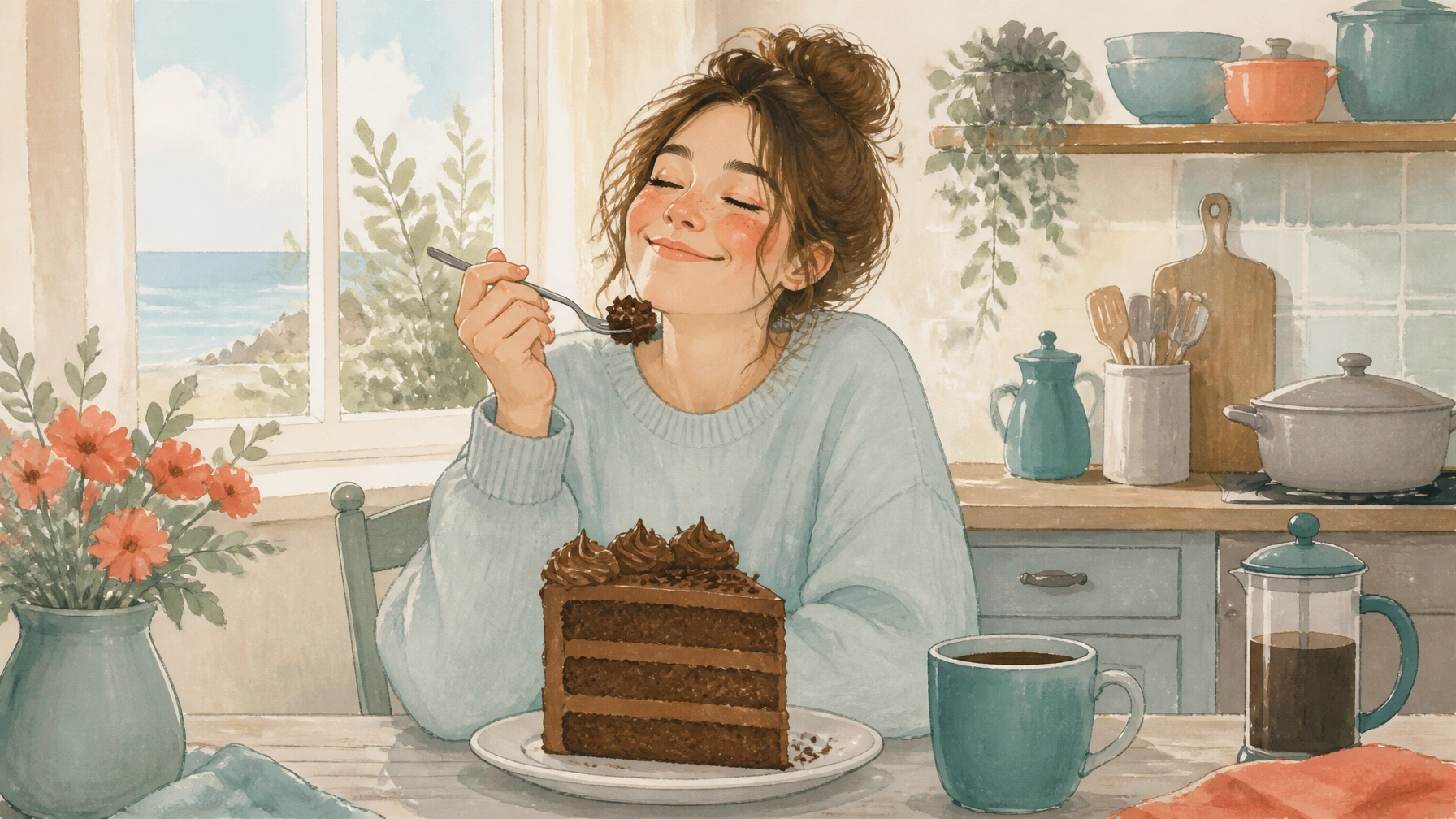
Eat dessert first. This is a classic alternate rebellion for a reason. It breaks a social “rule” that we’ve been taught since childhood, but it has zero negative impact on your long-term goals.
Order the “wrong” thing off the menu: something you’ve never tried or something you think you might not even like. Break your own internal rule about what time of day is “allowed” for a certain activity. Want to take a bubble bath at 10:00 AM on a Tuesday? If you have the time, do it. It’s a rebellion against the “shoulds” of your day.
4. Movement or Solitude
Take an unplanned drive with music that matches your mood. If you’re angry, play loud music. If you’re sad, play the gloomiest songs you own.
Go for a walk somewhere you’ve never been, or spend an evening completely alone with your phone off. In our hyper-connected world, turning off your phone can feel like a massive act of rebellion. It’s a way of saying: “I’m not available to the world right now, and that’s my choice.”
5. Small Private Rituals

Write something and burn it safely in a sink or a metal bowl. Talk to yourself out loud in an empty room. Do something a little theatrical just for you, with nobody watching. These rituals allow you to express the intensity of your feelings without needing an audience or causing a scene.
The point isn’t the specific act. It’s choosing your own safe version of “breaking the rules” instead of letting the urge choose a destructive one for you. For the full step-by-step guide, see our Alternate Rebellion skill page.
When to Use It
Reach for alternate rebellion when you notice the urge to rebel building. It’s especially useful when you’re bored, restless, or sitting with emotions that feel too big to wait out.
It’s also a fantastic tool for when you feel willful. If you find yourself thinking “I’m not going to do my skills” or “I’m not going to follow my plan,” alternate rebellion gives you a way to be willful about something else instead. You can be willful about wearing your shirt inside out while still showing up for your life.
A Soft Landing: Cozy Learning at DBT Path

If the idea of learning these skills in a traditional therapy group feels overwhelming, I want to invite you to a different kind of experience. At DBT Path, we offer what we call a “Cozy Learning” environment.
Our 36-week program is designed for people who want the power of DBT skills without the pressure of a clinical setting. Here’s how we do things differently:
- Lecture-Style Education: Our classes are classroom-style, not group therapy. You’re there to learn, not to process your trauma in front of strangers.
- Privacy First: No personal sharing is required in our live sessions. You can learn in your pajamas from the comfort of your own home.
- Expert Guidance: Classes are taught by me, Debbie DeMarco Bennett, and my dedicated team. We have over 13 years of experience (since 2013) and we use these skills in our own lives every single day.
- Direct Access: You can submit questions privately for the teacher to answer at the end of class or between sessions.
- Personalized Feedback: Every student receives personalized homework feedback (asynchronous coaching) included in their tuition. This ensures you’re actually applying the skills correctly to your unique life.
We believe that learning to manage intense emotions shouldn’t have to be another source of stress. You can build your toolkit in a way that feels safe, supportive, and even a little bit cozy.
Ready to build your toolkit?
This post is psychoeducation, not therapy or crisis care. If you’re in real distress, please reach out to a qualified professional.
Frequently Asked Questions
Is alternate rebellion the same as giving in to an urge?
No. Alternate rebellion redirects the urge to rebel into a safe, private, or low-stakes act instead of a destructive one. It’s a way of working with the urge, not around it.
Do I have to tell anyone I’m doing it?
No. You can practice alternate rebellion entirely on your own. Sharing it with a support group can add a sense of connection and pride, but it’s not required.
What if my “rebellious” idea still feels risky?
Choose something that satisfies the urge without harming your body, relationships, or goals. This skill works best as one tool within a fuller distress tolerance toolkit that also helps you judge what’s safe.
Where can I learn this and other DBT skills?
DBT Path offers alternate rebellion and the full DBT skills set (mindfulness, distress tolerance, emotion regulation, and interpersonal effectiveness) in a live, online, 9-month class with the same two instructors every week and personalized feedback on your practice.
You deserve a place that can hold your story
If reaching out feels hard, that makes sense. DBT Path gives you real human support and skills you can trust, at your own pace.
Join a class

Leave a Reply
Want to join the discussion?Feel free to contribute!